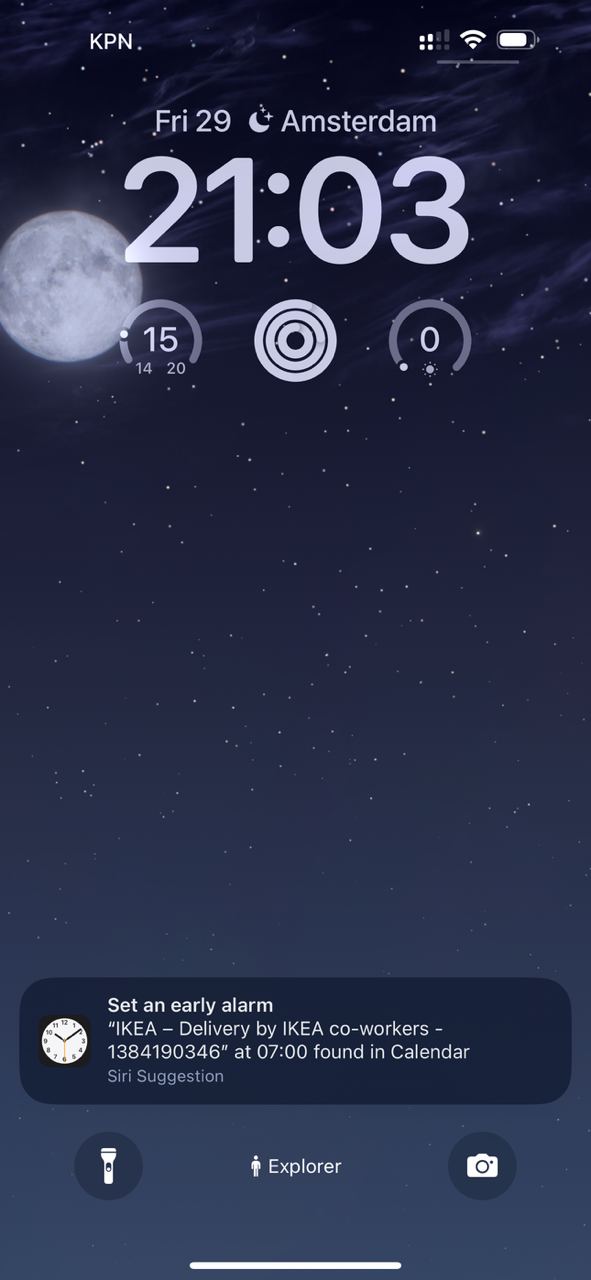

Identification of recommendations Ikea sends an email about an upcoming delivery. iOS analyzes all the data on the phone, finds patterns, a…
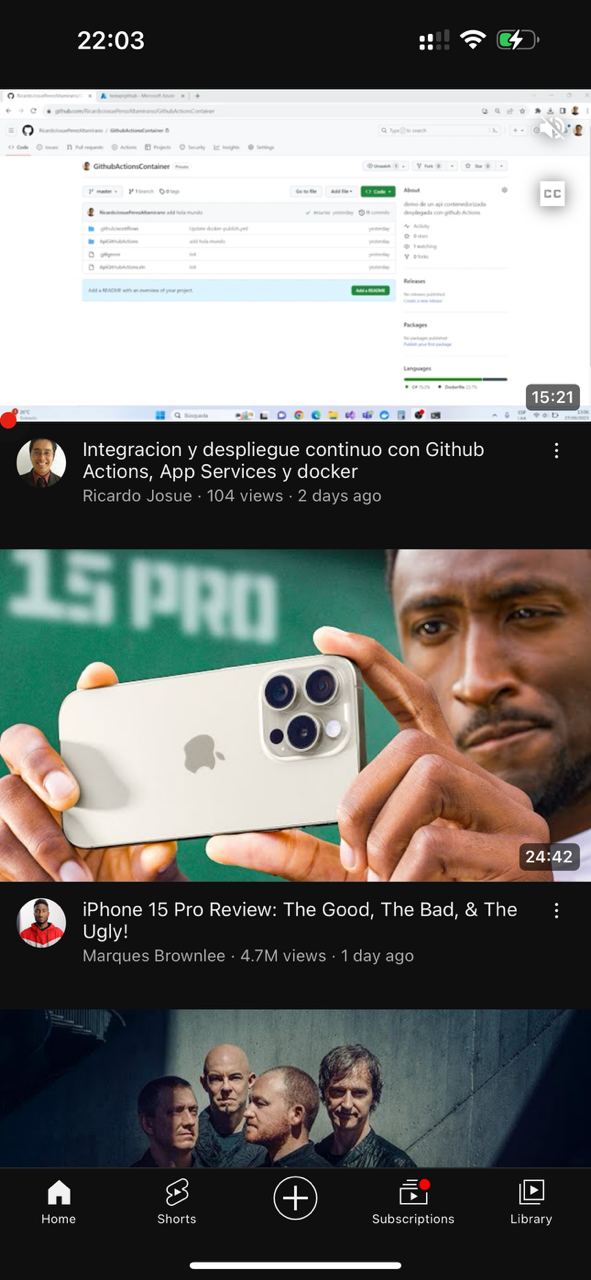
Identification of recommendations Ikea sends an email about an upcoming delivery. iOS analyzes all the data on the phone, finds patterns, and tries to help. iOS knows that my alarm on weekends is set for 11 a.m. and suggests setting another one so I do not oversleep. After all, the data contains a time. The operating system, on behalf of Siri, enters into dialogue with me. Oh, Siri, silly thing, I saw the email, it said: delivery during the day, from 7 a.m. to 6 p.m. They will not come that early, they are people too. Zen tries to form a content feed based on my interests. It enters into dialogue with me: you liked that material from Biblioteka back then, here are dances from Gorshok. Oh, Zen, silly thing. I launch you once a week to see whether my channel has any views. No, it does not. I do not remember Biblioteka or its materials. I do not want to dance a jiggy-jig. YouTube is modern television. How does it enter into dialogue? It does not. It is like the billboards we meet in the city that tell us: buy an apartment, order food, dress in BOSS. Three approaches to identifying recommendations. 1. Siri — localization through a feature with its own name. Recommendations have their own brand. 2. Recommendations are the whole product. It tries to talk, to explain why it chose content to show. Dialogue on behalf of the entire product. 3. No dialogue. The role of a vending machine: it will sell you anything you point at. When recommendations do not match expectations, relationships and emotions are directed at different entities. 1. Siri is silly, the problem is localized in one feature. The iPhone did well, it has nothing to do with it. 2. Zen failed. The emotional effect captures the whole service and brand. 3. What emotion does YouTube evoke? None. It distances itself: "I am just a machine into which some people loaded their stuff." I think young services that work with anticipation of human expectations should localize features into branded forms: "Siri, not Apple," "My Wave, not Yandex Music," "Copilot, not all of Microsoft." Localize the emotional damage and work with it.