Code name: Hey Doctor A story for the previous post. When we were making the first versions of Yandex Health in the evenings, somewhere aro…
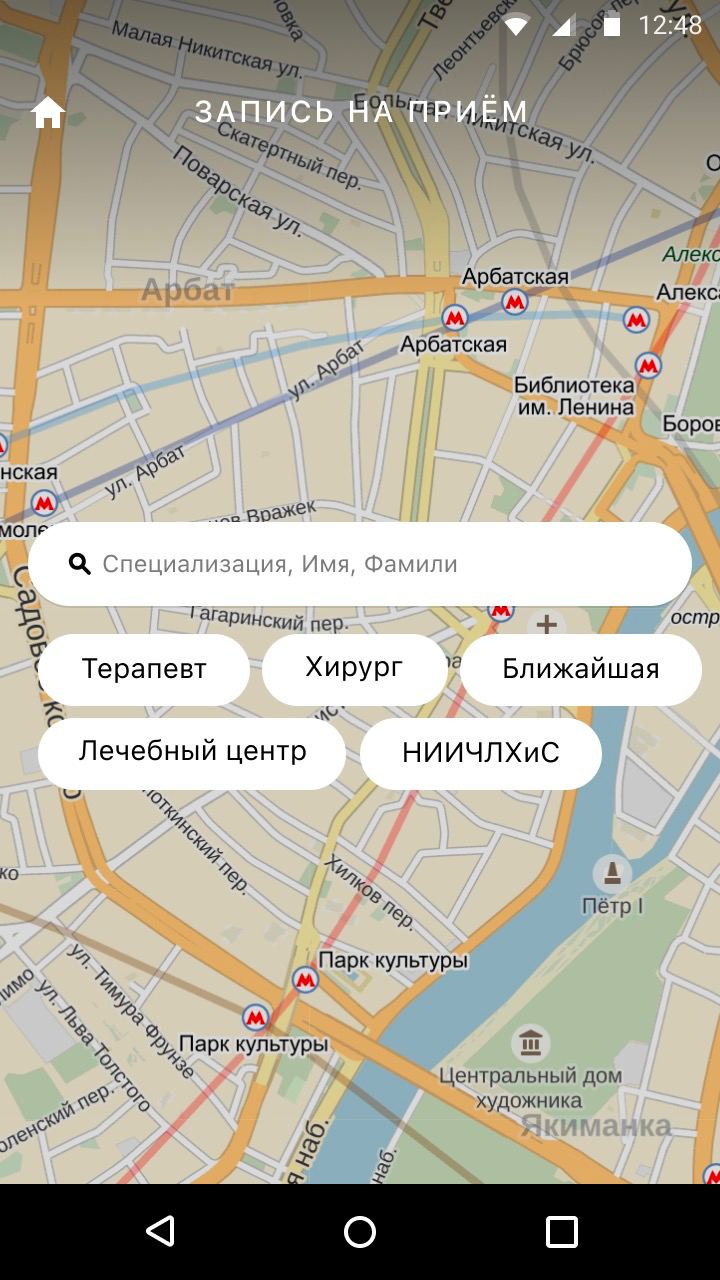
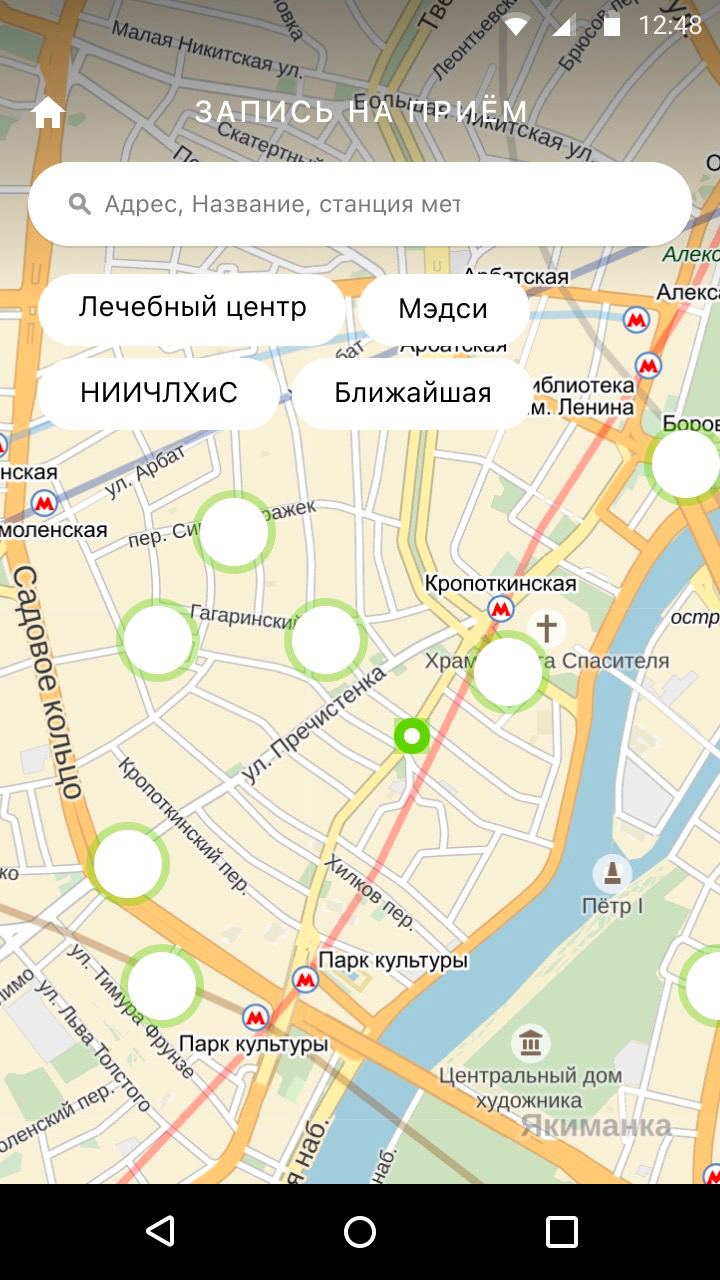
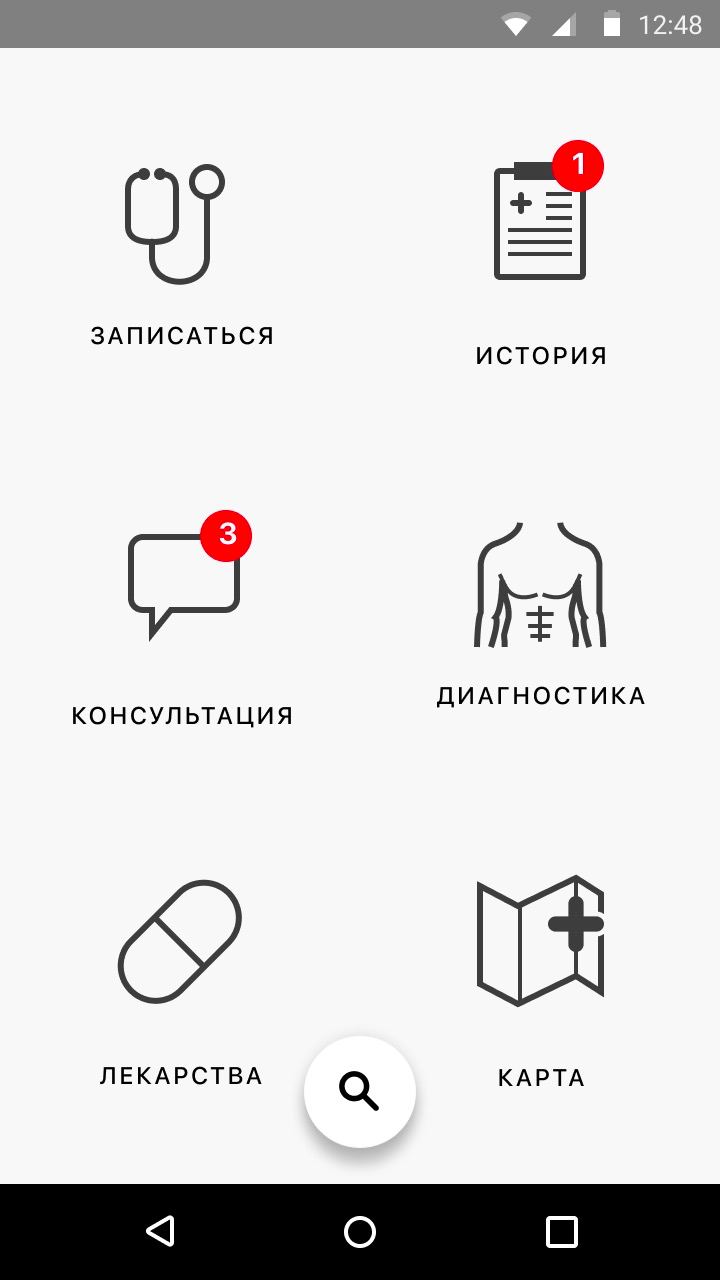
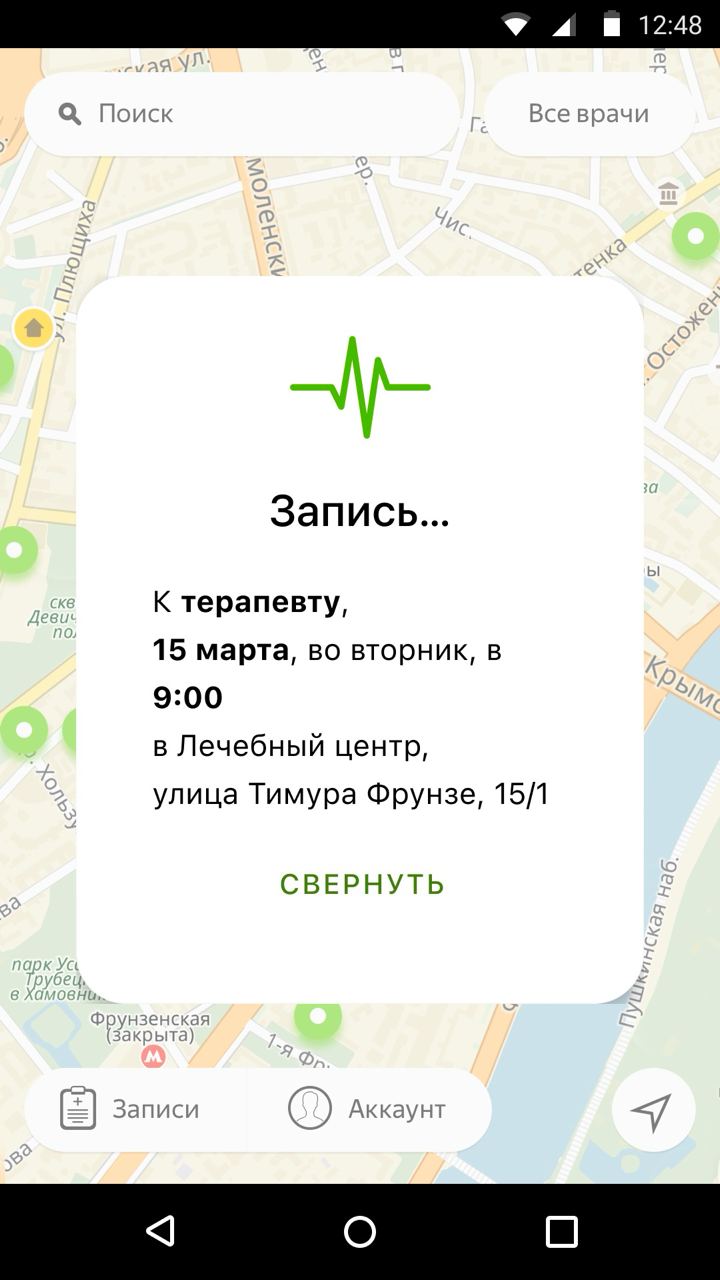
Code name: Hey Doctor A story for the previous post. When we were making the first versions of Yandex Health in the evenings, somewhere around 2015-16, we perceived it through the prism of uberization. Why not simplify the scenario of interacting with doctors? Opened the app, pressed a button, in 5 minutes the taxi arrived we found a suitable slot - magnificent! The first layouts were literally a map with clinics. The start screen corresponded to different scenarios: - I know where - I know whom - I am Arkasha, I know nothing There was of course also telemedicine, self-diagnosis, buying medicine without unsticking from the phone. Full stuffing. And this moment of booking a doctor was the hardest. We needed to create such an online booking system that would either become a replacement for the current software in clinics, or an extension to the software, and different clinics have different software. How do you check market fit here or what, without n years of development and implementation? An idea came to my mind that was counterintuitive to the culture of a technology company: let us use people instead of software! At the moment when a person presses the "book a doctor" button, our employee sees the request, calls the needed clinic, checks a slot and books it. Magic happens, and whether it is due to technologies or not is not important. Sasha got on a motorcycle, rode to Tula, arranged things with a call center. The magic started working. We began recruiting test users and probing the market. to be continued... The layouts are not 100% accurate. These are Sketch files imported into Figma, and Yandex Sans was replaced with SF Pro. For layout purity, it would be good to use the native typefaces; too bad I no longer have them 🙄