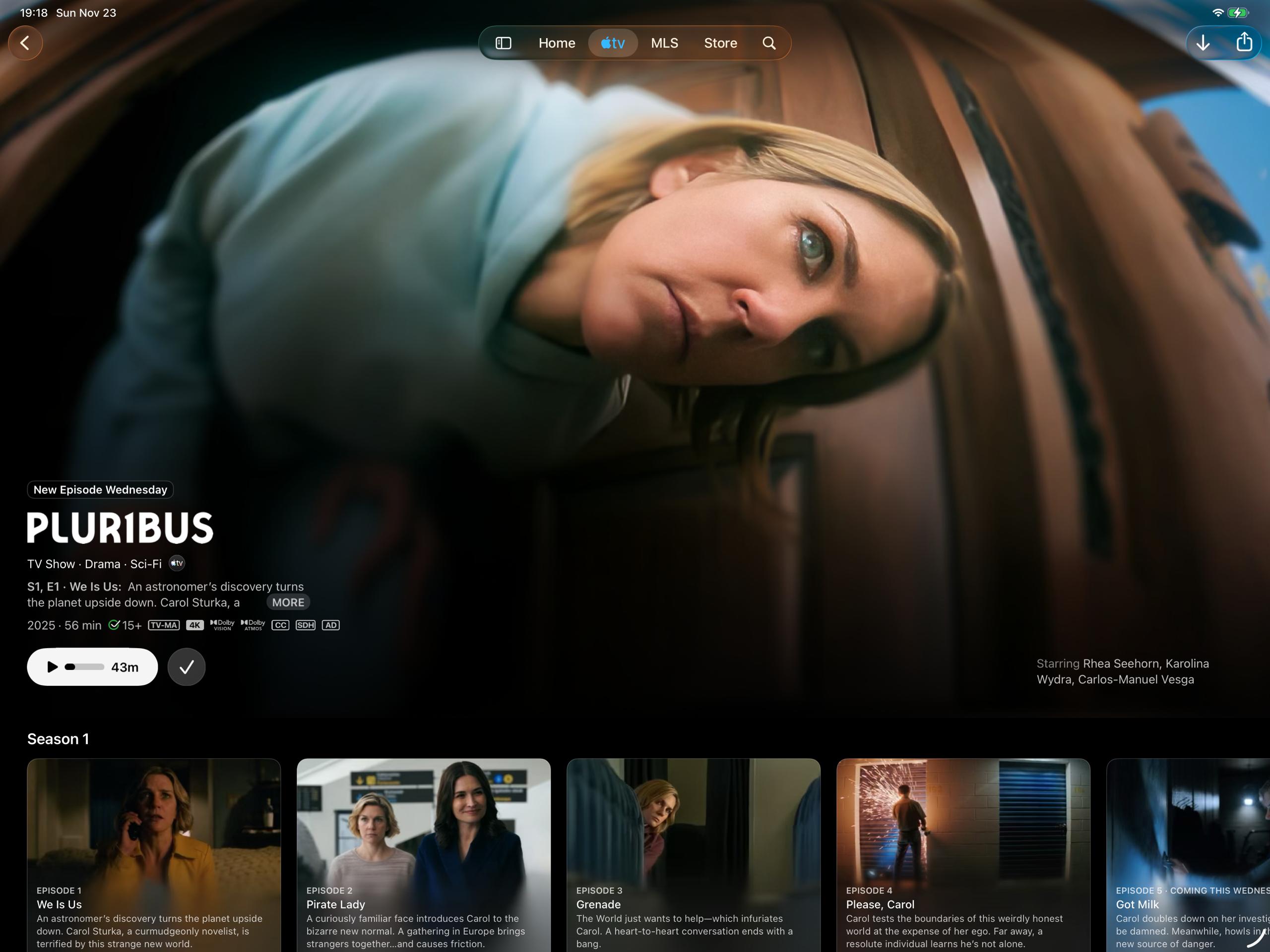
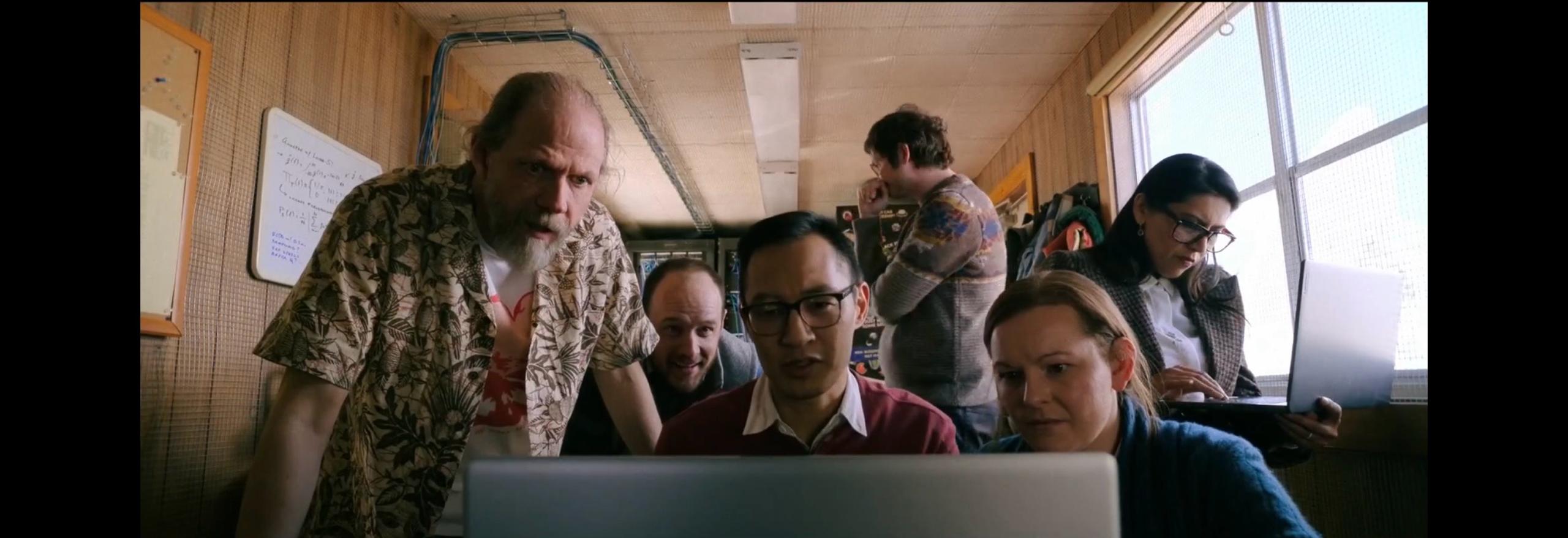
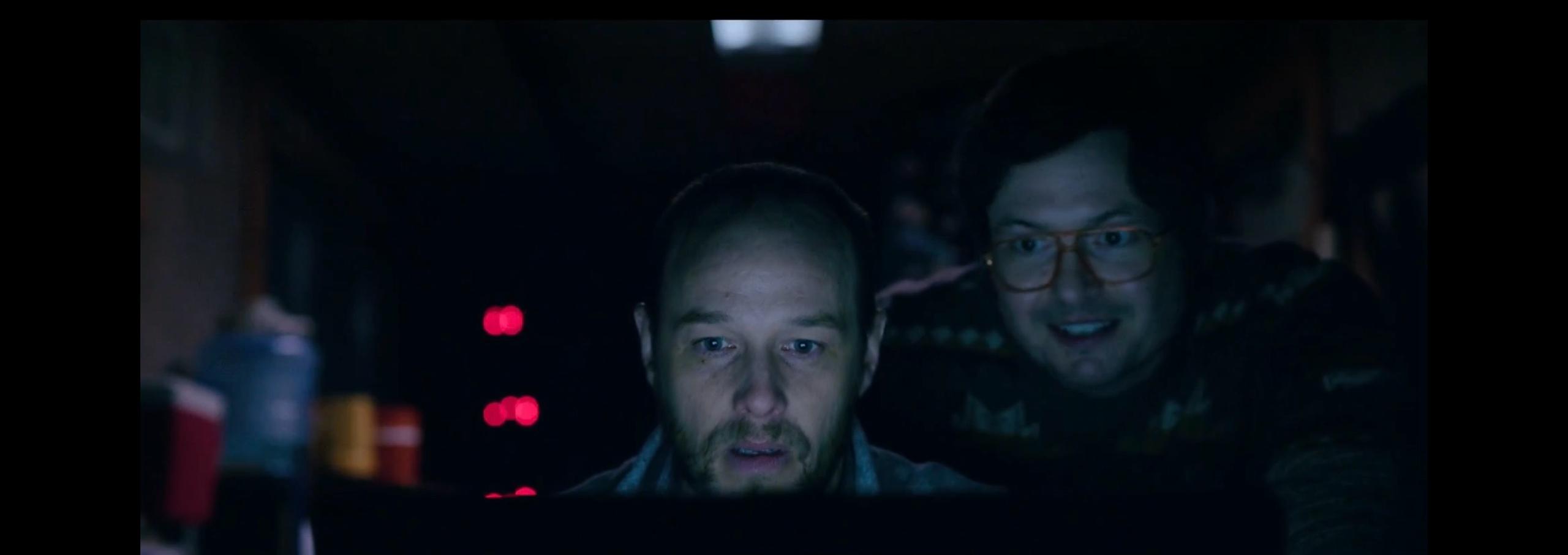
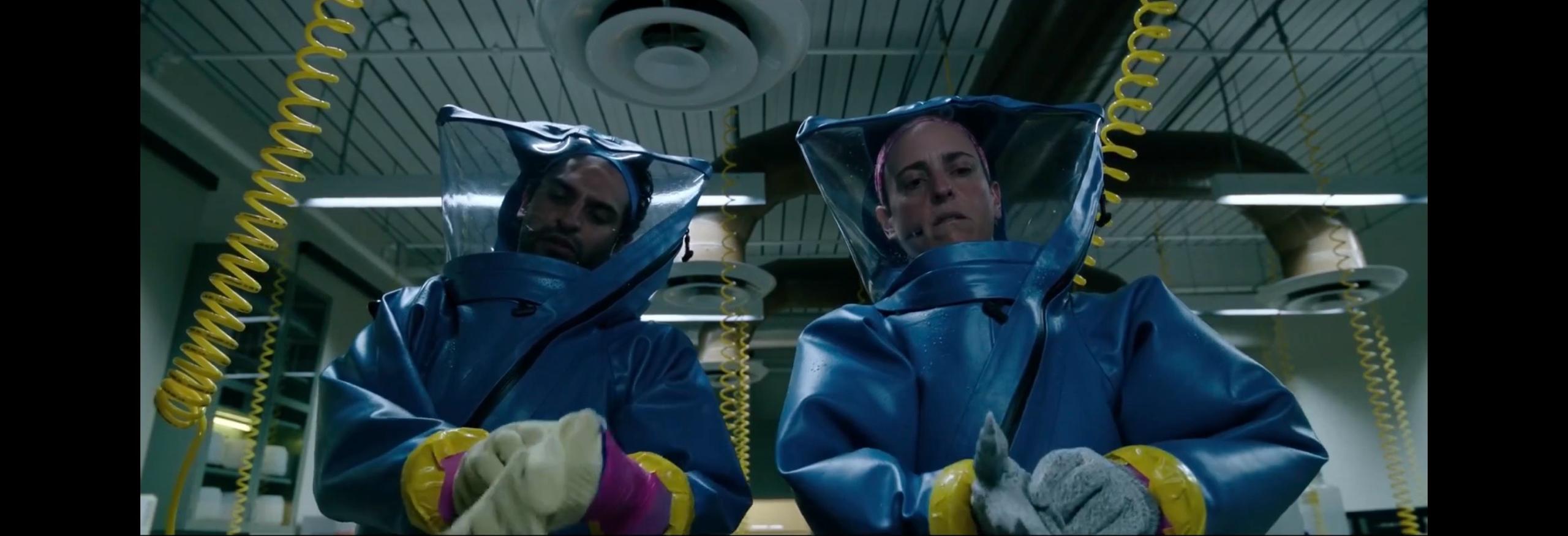
PLUR1BUS is an example of what the result of work can be when changing the optics The title of the series refers to e pluribus unum, a Lati…
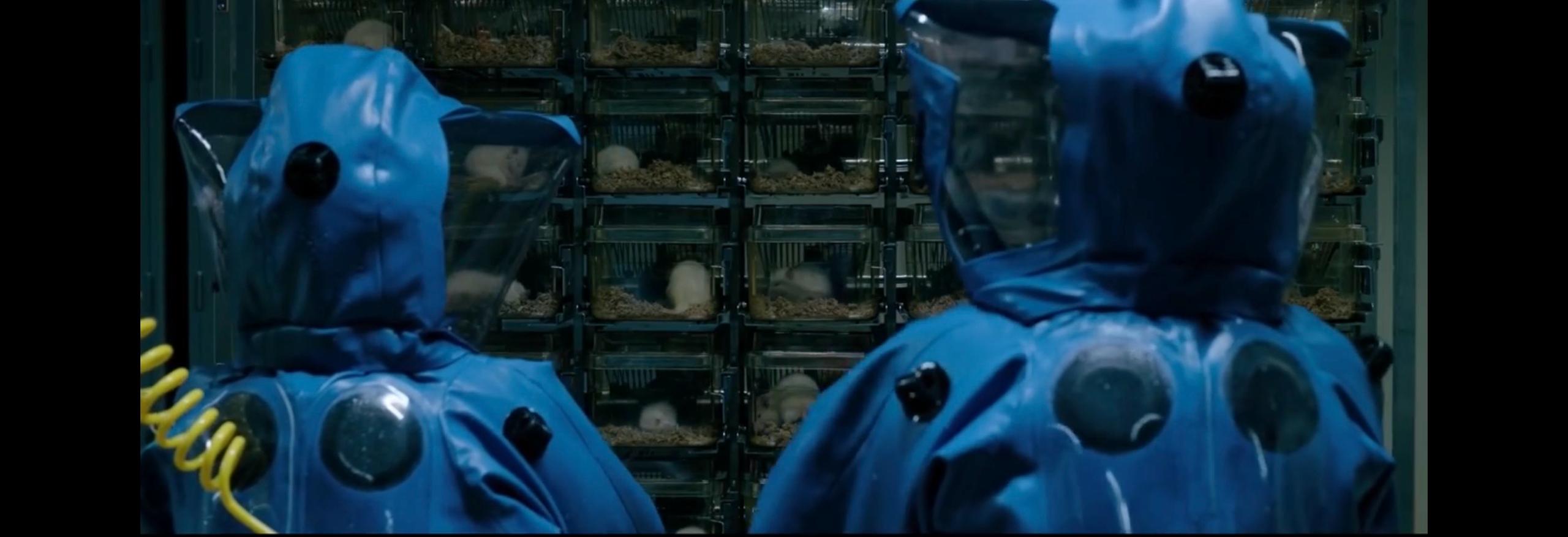
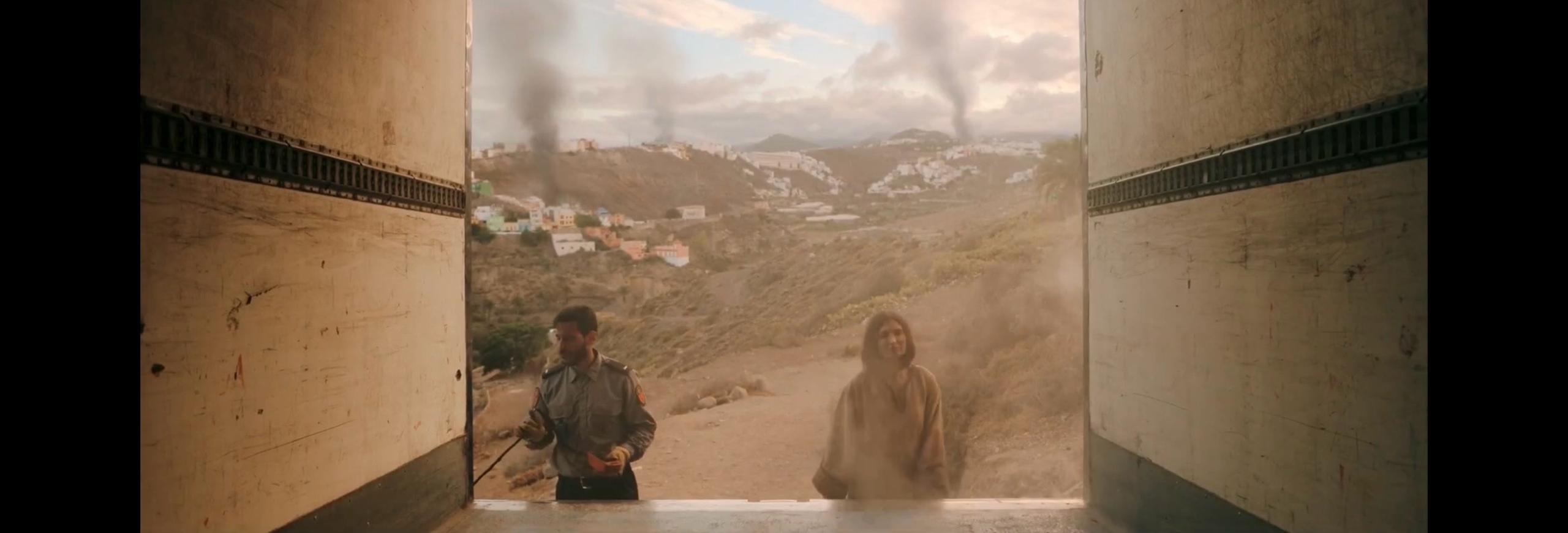
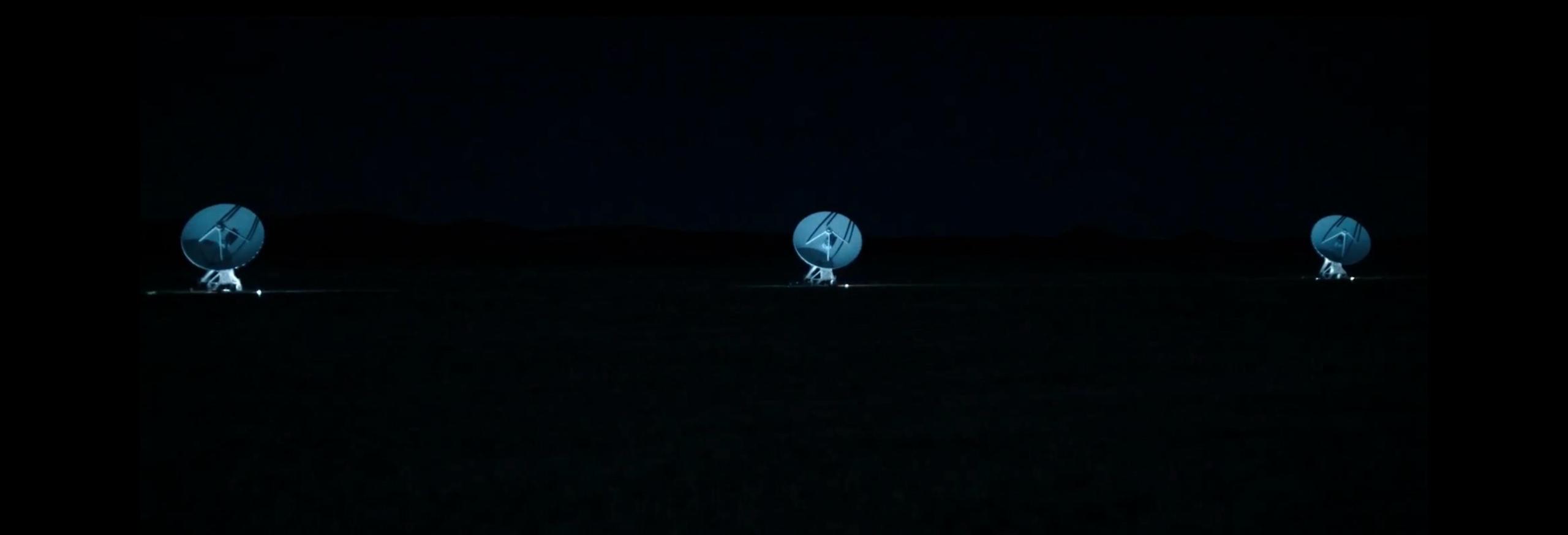
PLUR1BUS is an example of what the result of work can be when changing the optics The title of the series refers to e pluribus unum, a Latin phrase meaning "out of many, one" From afar, this is yet another series about the post-apocalypse. But if you come closer and look, the differences are visible. Post-apocalypse with the seams on the outside The title itself hints that a lot of work has been invested "'We had a list of over 100 titles': Pluribus creator Vince Gilligan admits his new Apple TV series was incredibly difficult to name" Impressive The calibrated visual language is impressive too. All episodes shot to date have consistent codes. My favorite cinematographer trick: the observer's gaze - the viewer sees the characters, but does not see their area of interest. And the reverse: viewers are given scenes, and then the acting figures are added to them. And to achieve the observer effect, you need the corresponding visual hooks - we, the viewers, watch what is happening in such moments as if through a peephole, through a narrow crack, from a box Thanks to Katya for the screenshots